

Step 6: Sign Provisional and Formal Agreements


 Provisional Sale and Purchase Agreement
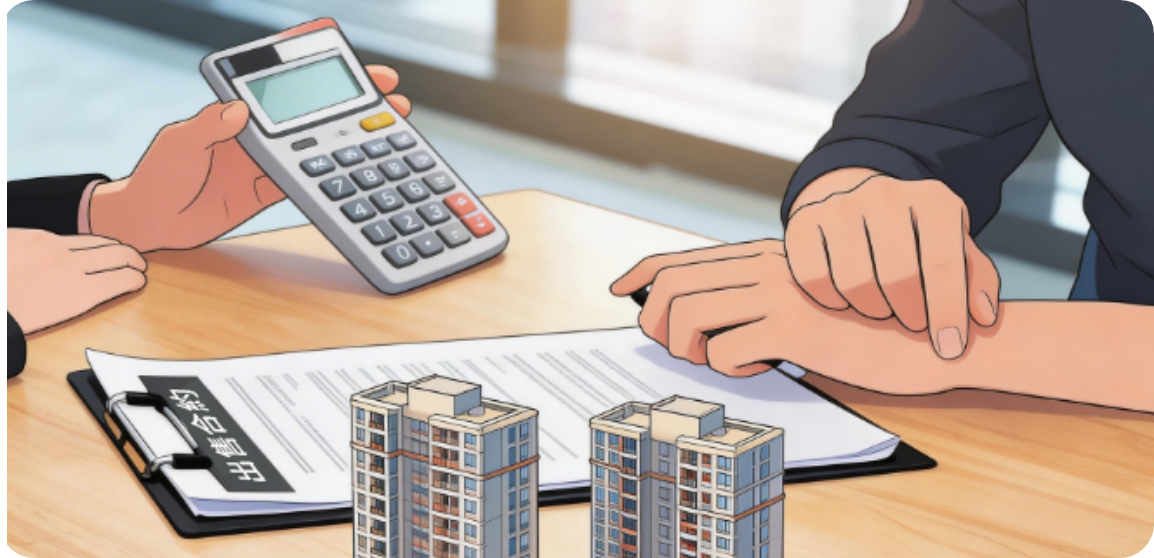
When the vendor and the potential purchaser agree on a negotiated price, both parties will enter into a provisional sale and purchase agreement. Such a provisional agreement is ordinarily prepared by a licensed estate agent, and at the time of execution the purchaser is generally required to pay a provisional deposit (commonly referred to as the “initial deposit”). The provisional agreement is a legally binding contract that must be fully obeyed by the parties involved. If the formal sale and purchase agreement cannot be signed, the parties can rely on the provisional agreement to proceed with the deal or to sue for compensation. The provisional agreement must include certain information such as the address and price of the flat, amount of initial and further deposit, when to sign the formal agreement, the completion day, etc. Where there is any doubt concerning the provisions of the provisional agreement, the parties are advised to seek independent legal advice prior to signing the agreement.
 Formal Sale and Purchase Agreement
The formal agreement for sale and purchase is usually prepared by the vendor's solicitors for the approval of the purchaser's solicitors and comes after a provisional agreement for sale and purchase in a conveyancing transaction. Like a provisional agreement, there are no standard formats for a formal agreement. The terms and conditions contained in a formal agreement are in greater detail and cover a wider range of matters than a provisional agreement, although it also incorporates the basic terms as agreed between the parties in the provisional agreement.